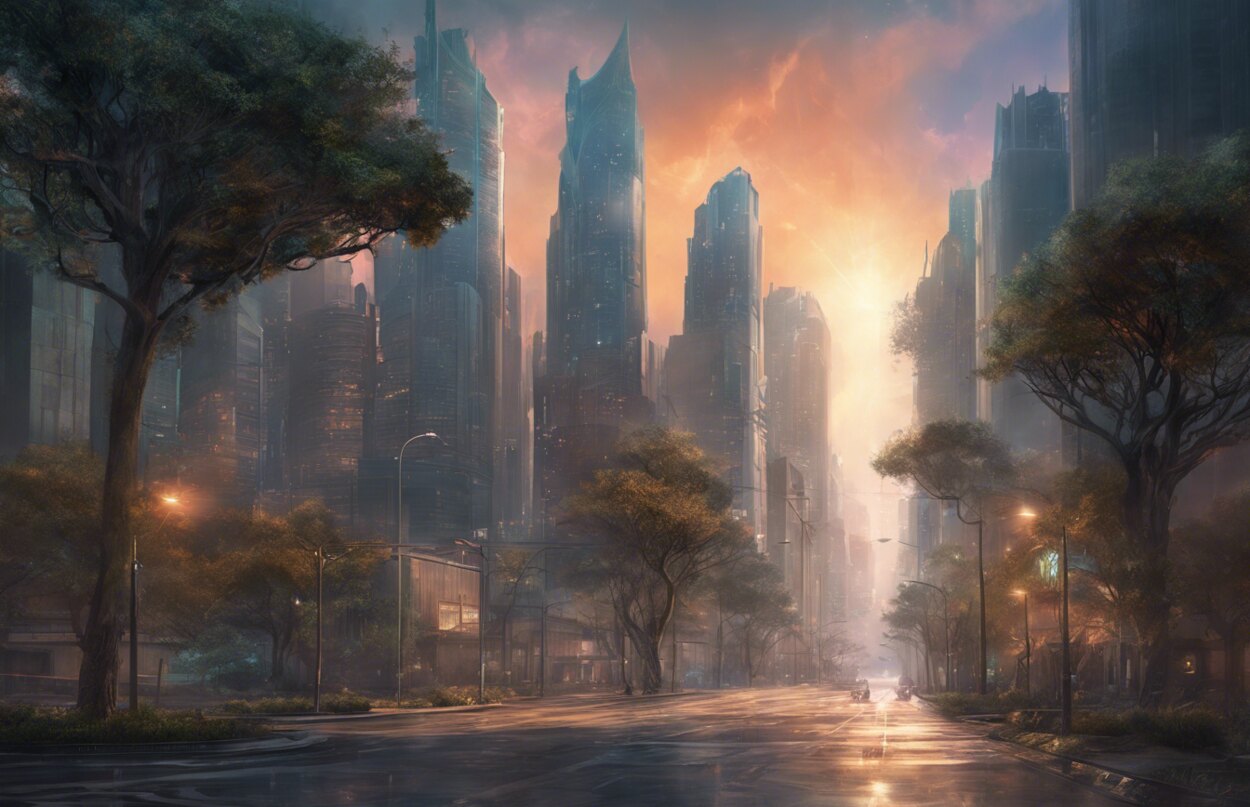
Who claims that living in a concrete jungle makes you incapable of loving nature? Right here in the city, you can fully participate in the green revolution through urban forestry.
I used to believe that my passion of the outdoors had to end when I lived among skyscrapers. I then came upon urban forestry, which is the science and art of tree management in metropolitan settings. It has, I might add, changed the game!
That tree you see dotted around the neighborhood park or lining your street? You could be the one who has to look after them; someone must! Like tree whisperers, urban foresters make sure these leafy giants flourish in the middle of all the activity.
There are chances to plant trees, trim branches, and do health evaluations if you enjoy doing things by hand. When a tree flourishes under your watchful eye, it's satisfying; it's like seeing your little green friend mature before your very eyes.
Fear not, though, if climbing trees isn't your thing or if heights make you nervous like they do for me! Supporting urban forestry can be done in a number other ways. You might support local laws that favor trees, take part in tree planting activities, or even spread awareness of the value of trees.
Did you also realize that urban forests improve mental health, lower energy costs by offering shade, and lower air pollution? Trees are actual superheroes, quietly doing their magic all around us, not just attractive faces.
The nicest thing is that, although it certainly helps, involvement does not need a degree in forestry. Your own backyard can change with a little enthusiasm, a readiness to learn, and a pair of reliable gloves.
Exploring the Urban Diversity
Mother Nature manages to work her enchantment even among all those tall buildings and busy streets.
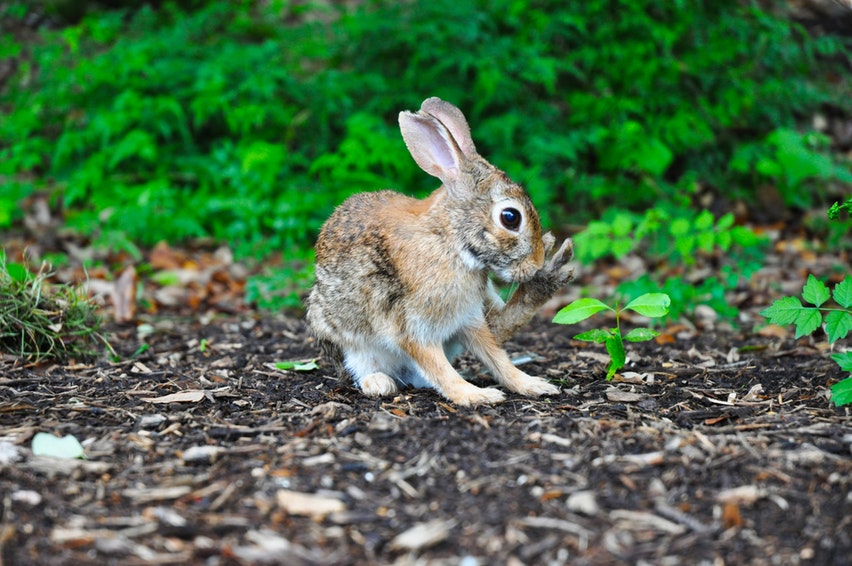
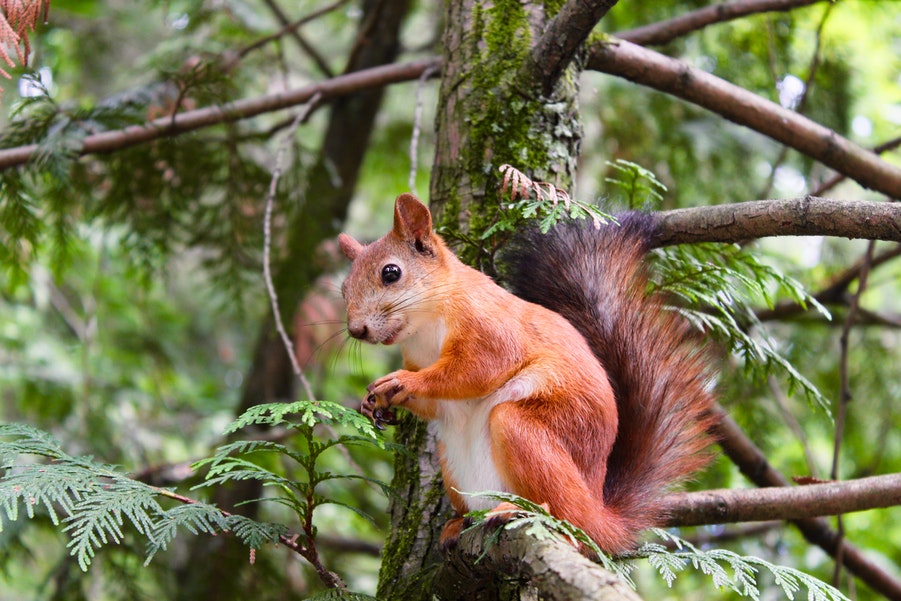
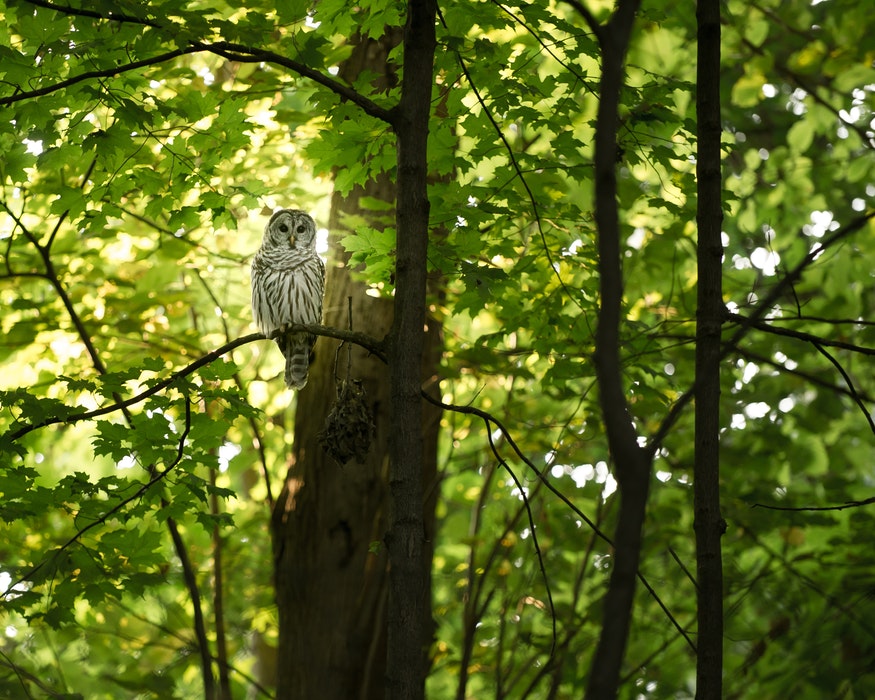
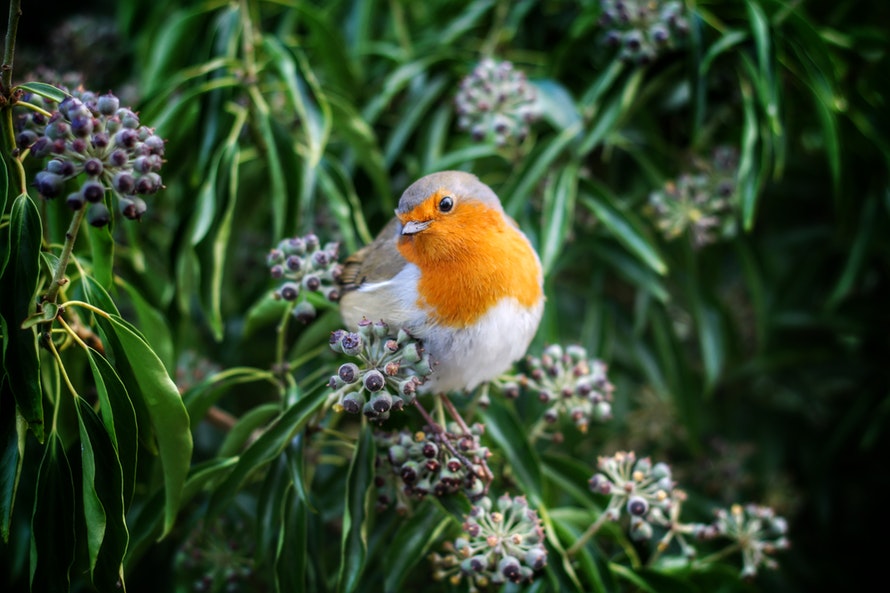
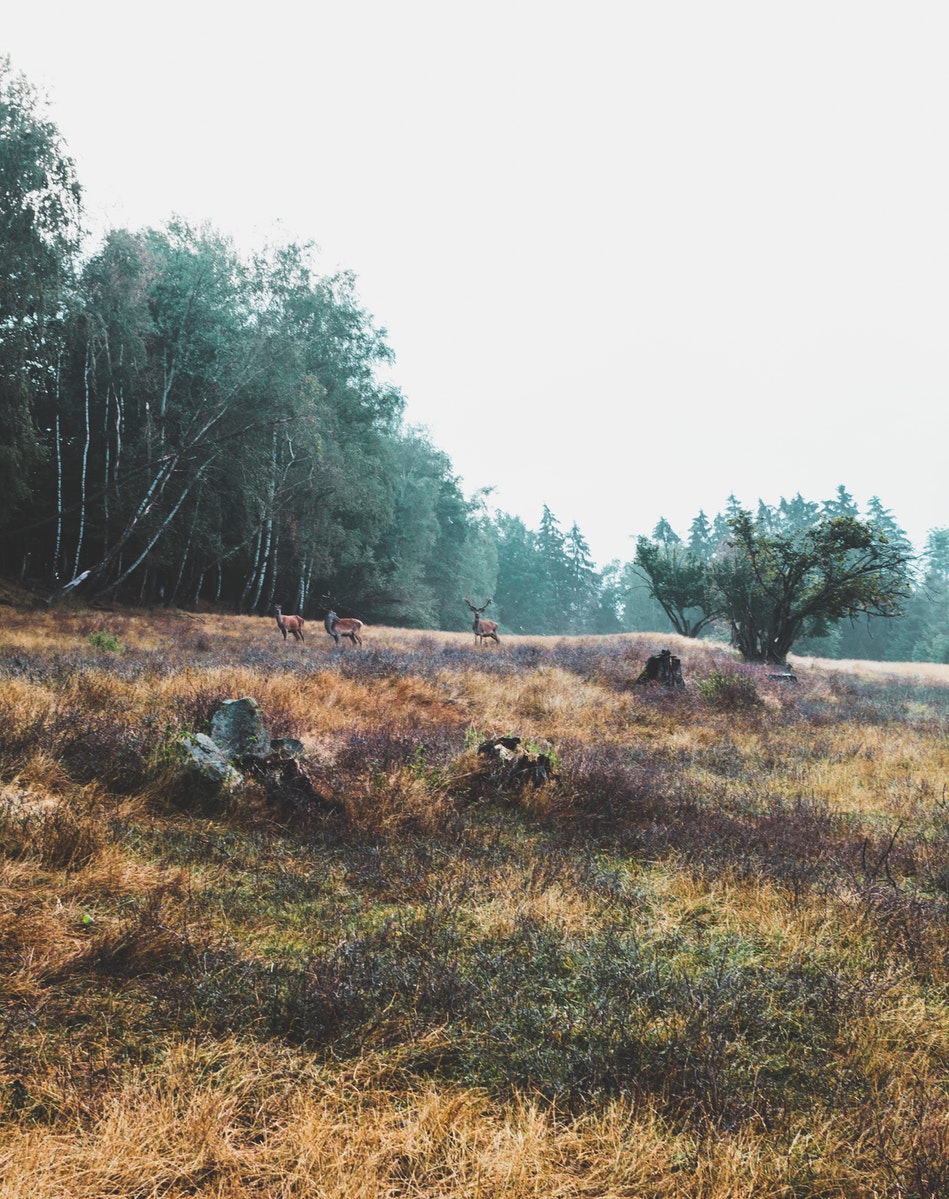
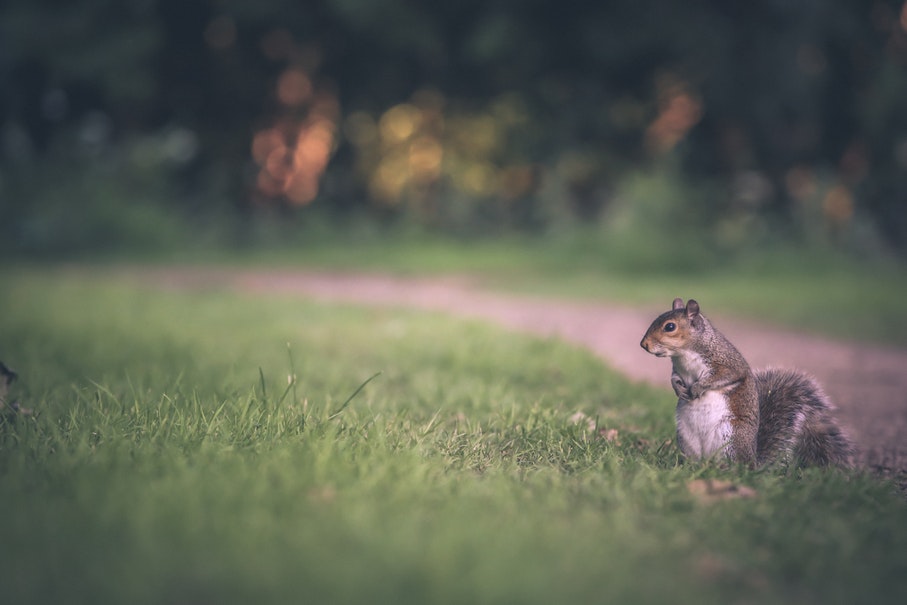
Nowadays, mentioning biodiversity in an urban environment goes beyond simply seeing the odd squirrel or pigeon. It goes much beyond that, oh no! Imagine this: amidst the concrete jungle, birds chirping happily, and little animals scuttling about adjusting to city life in lush green parks brimming with variety of plant species. It resembles buried wealth that is just waiting to be found right in front of us.
Natural resilience has always astounded me. Even with urbanization's obstacles, wildlife finds a place for itself in cities. These animals—insects, birds, and even tiny mammals—have remarkably adapted to city life. It is a real monument to the tenacity and flexibility of Earthly existence.
But, it's important for our health as much as it is to appreciate the beauty of urban biodiversity. Among all the pollution, green areas strewn throughout cities offer a literal breath of fresh air. They function as organic havens where we can relax, commune with the natural world, and refuel.
There are many of ways to become involved if urban biodiversity fascinates you as much as it does me. To draw in more pollinators, you might volunteer at neighborhood conservation projects, take part in citizen science projects to monitor local wildlife, or even launch a community garden. Little deeds add up to protect and improve biodiversity in our cities.
Take a moment to recognize the complex web of life all around you the next time you're lounging in a park or meandering through your city streets. Recall that every little effort, whether it's watering saplings or raising awareness of urban forestry, helps to make cities greener for coming generations. A reminder that nature is robust, lovely, and worth preserving at all costs, urban biodiversity is like a symphony quietly playing in the background.
Planting trees is only one aspect of urban forestry; another is fostering relationships between people and environment in unlikely locations. And who is to say. You could find yourself enamored with those leafy neighbors who live just outside your window.